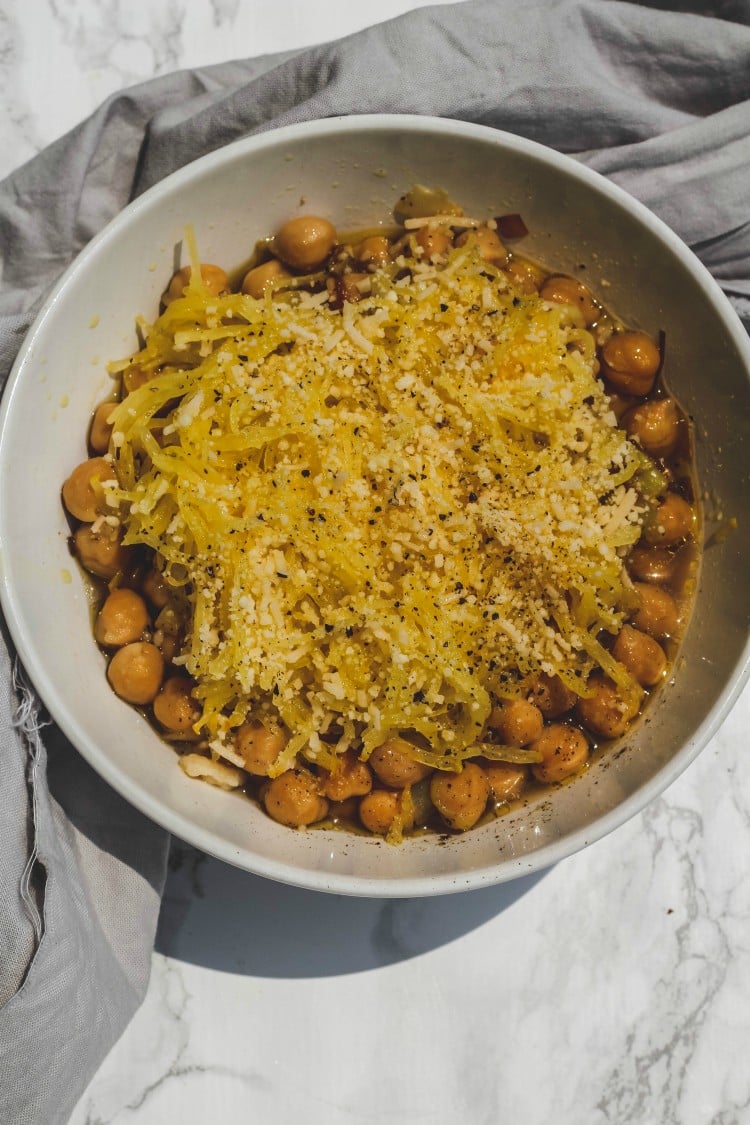
From Roman Classic to Vegan Delight: Unpacking Vegan Cacio e Pepe Spaghetti Squash with Stewy Chickpeas
The allure of a simple yet profoundly satisfying pasta dish like Cacio e Pepe is undeniable. Hailing from the heart of Rome, its magic lies in just a few humble ingredients: Pecorino Romano cheese, black pepper, and pasta cooking water emulsified into a creamy, peppery sauce. But what if you’re seeking a lighter, plant-based, and gluten-free alternative that doesn’t compromise on flavor or comfort? Enter the ingenious lightened Cacio e Pepe: spaghetti squash with chickpeas. This article delves into transforming this beloved classic into a vibrant, nourishing, and utterly delicious vegan cacio e pepe spaghetti squash creation, made even heartier with stewy chickpeas.
For many, the journey to embracing more plant-based meals is about finding creative swaps that still hit those familiar comfort food notes. This particular adaptation does exactly that, trading traditional pasta for nutrient-dense spaghetti squash and dairy cheese for a fantastic vegan alternative. The addition of wholesome, stewy chickpeas elevates it from a simple side to a satisfying main course, making it a perfect weeknight dinner or a delightful option for entertaining.
The Brilliant Swap: Why Spaghetti Squash Shines
One of the most exciting aspects of this dish is its foundation: spaghetti squash. This versatile winter vegetable is a culinary marvel, especially for those looking to lighten up their meals or follow a gluten-free diet. When roasted, its flesh effortlessly separates into delicate, spaghetti-like strands, providing a remarkably similar mouthfeel to traditional pasta without the heavy carbs. But the benefits extend far beyond texture:
- Nutrient Powerhouse: Spaghetti squash is packed with fiber, vitamins (like A and C), and minerals, contributing to a truly wholesome meal. It offers a significant nutritional upgrade compared to refined pasta.
- Naturally Gluten-Free: For individuals with gluten sensitivities or those simply opting for gluten-free options, spaghetti squash is a dream come true.
- Flavor Sponge: Perhaps its most underrated quality is its mild, slightly sweet flavor profile that acts as a perfect canvas for absorbing the bold, peppery, and cheesy notes of the Cacio e Pepe sauce. This makes it an ideal vehicle for the rich flavors we're about to introduce.
This dish effectively demonstrates how you can enjoy the essence of a classic Roman dish while incorporating more vegetables and healthy ingredients. It’s a testament to the fact that "lightened up" doesn't mean "light on flavor."
Crafting the Vegan "Cheese" and Pepper Magic
The heart of Cacio e Pepe, meaning "cheese and pepper," traditionally relies on Pecorino Romano for its distinct salty, sharp, and umami punch. Achieving this complex flavor profile in a vegan rendition requires a clever approach, and this is where high-quality vegan Parmesan cheese truly shines. Modern vegan cheese alternatives have come a long way, offering incredible depth and savoriness that can mimic dairy cheese surprisingly well.
Here’s how to nail the vegan cheese and pepper sauce:
- The Vegan Parmesan: Opt for a finely grated, aged-style vegan Parmesan. Its saltiness and umami are crucial for balancing the gentle sweetness of the spaghetti squash. You can often find fantastic store-bought versions, or even make your own using cashews, nutritional yeast, and garlic powder for a fresh, nutty flavor.
- The Pepper: This is non-negotiable. Freshly cracked black pepper is paramount. Do not use pre-ground pepper; its flavor is muted and lacks the vibrant, pungent kick that defines Cacio e Pepe. Toasting the peppercorns lightly before grinding can further intensify their aroma.
- Emulsification is Key: Just like traditional Cacio e Pepe, a bit of cooking liquid (in this case, often a splash of water or even a little reserved liquid from the chickpeas) and a generous drizzle of good quality extra-virgin olive oil are essential. These elements, combined with the heat and the vegan Parmesan, create that coveted creamy, glossy sauce that coats every strand of spaghetti squash.
The combination of the savory vegan Parmesan and the pungent black pepper creates a harmonious symphony of flavors that beautifully complements the roasted squash, offering a deeply satisfying experience reminiscent of the original but entirely plant-based.
The Hearty Addition: Stewy Chickpeas
While spaghetti squash and a vegan Cacio e Pepe sauce are delicious on their own, the inclusion of stewy chickpeas transforms this dish into a truly robust and fulfilling meal. Chickpeas, also known as garbanzo beans, are a powerhouse of plant-based protein and fiber, adding significant nutritional value and a wonderful textural contrast.
The term "stewy" here suggests chickpeas that are tender, perhaps slightly broken down, and enveloped in a flavorful, almost saucy coating, rather than simply being tossed in whole. This can be achieved by:
- Simmering: Gently simmering canned chickpeas with a little vegetable broth, garlic, and perhaps some of the Cacio e Pepe sauce components allows them to soften further and absorb flavors deeply.
- Mashing Slightly: A slight mash of some of the chickpeas can create a thicker, more integrated texture that clings beautifully to the spaghetti squash strands and the sauce.
- Seasoning: Don't forget to season your chickpeas. A touch of smoked paprika, a pinch of red pepper flakes, or a bay leaf during simmering can add layers of complexity.
The chickpeas not only boost the protein content, making this an ideal main course, but their earthy flavor and tender bite also perfectly complement the delicate sweetness of the squash and the bold kick of the pepper. If chickpeas aren't your preference or you're out, feel free to substitute with cannellini beans or another canned bean variety – the principle of adding a legumes for heartiness remains.
Mastering the Spaghetti Squash Roasting Technique
The "hardest part" of preparing this dish, as often noted, is safely and effectively cutting open the spaghetti squash. But with the right technique, it becomes much less daunting. Getting the squash just right—tender but not mushy, with distinct "al dente" strands—is key to the dish's success.
Tips for Perfect Spaghetti Squash:
- Safety First: Spaghetti squash has thick, tough skin. Use a very sharp chef's knife. To prevent slipping, place a damp tea towel or paper towel underneath your cutting board. This simple chef's trick provides crucial stability.
- Slicing Method: You can either cut the squash lengthwise (from stem to blossom end) or crosswise into rings. Lengthwise cuts yield longer "spaghetti" strands. Some find it easier and safer to pierce the squash in a few spots and microwave it for 2-3 minutes first to soften the skin slightly before cutting.
- Scoop and Season: Once halved, scoop out the seeds and any stringy bits. Drizzle the cut sides with a little extra-virgin olive oil, season with salt and pepper, and place cut-side down on a baking sheet.
- Roasting Temperature and Time: A common recommendation is 425°F (220°C) for about 30-40 minutes. However, oven temperatures vary, so start checking around the 25-minute mark. You want the squash to be tender enough that the strands pull away easily with a fork but still have a slight bite – avoid over-baking into mushiness.
- Forking the "Noodles": Once roasted and slightly cooled, use a fork to gently scrape the flesh from the shell, creating those wonderful spaghetti-like strands.
Bringing It All Together and Serving Suggestions
Once your spaghetti squash is perfectly roasted and fluffed into strands, and your chickpeas are stewy and seasoned, it's time for the grand finale. Combine the spaghetti squash and chickpeas in a large bowl. Add your vegan Parmesan, plenty of freshly cracked black pepper, a generous drizzle of good quality extra-virgin olive oil, and a splash of reserved liquid (from the chickpeas or just a little warm water) to help create that creamy emulsion. Toss vigorously until every strand is coated in the glossy, peppery sauce.
This cacio e pepe spaghetti squash with stewy chickpeas is incredibly versatile. It makes for a fantastic and filling main course on its own, offering a complete and balanced meal. Alternatively, it can serve as a sophisticated and flavorful side dish alongside other plant-based proteins or a simple green salad. Garnish with a sprinkle of fresh parsley or additional cracked pepper for an extra flourish.
Conclusion
The journey from traditional Cacio e Pepe to this plant-based, gluten-free, and nutrient-rich version is a testament to culinary creativity and the endless possibilities of plant-forward cooking. This vegan cacio e pepe spaghetti squash with stewy chickpeas offers all the comfort and robust flavor of its Roman ancestor, but with a wholesome, modern twist. It’s a dish that proves you don't have to sacrifice taste or satisfaction when choosing healthier, more sustainable meal options. So, grab that lonely spaghetti squash on your counter, embrace the joy of creating, and savor every peppery, cheesy, and utterly delicious bite.
